Last verified 2026-09-13 by ReviewGamers Editorial
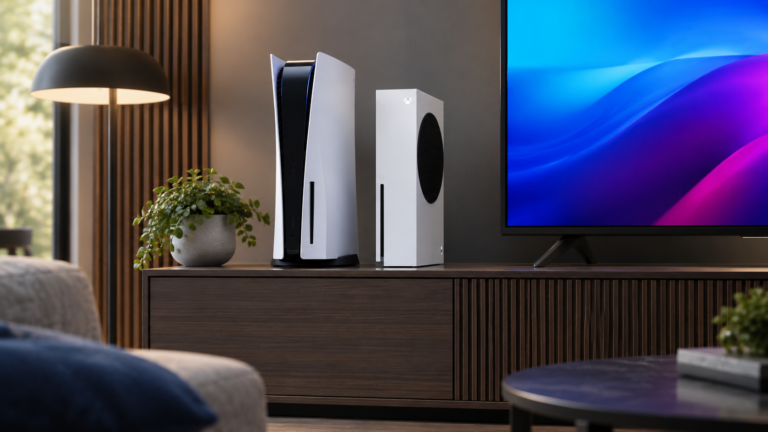
Three current consoles, three incompatible approaches. A drive that works perfectly in one will not work in the others, and in two cases it will not physically fit.
PlayStation 5: an internal M.2 slot with real requirements
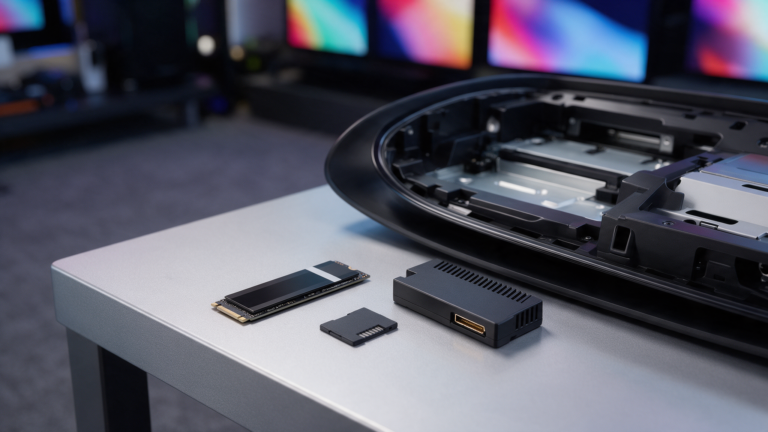
The PS5 accepts a user-installed M.2 NVMe drive, and the requirements are specific.
Per vendor documentation of Sony’s specification:
- PCIe Gen4 NVMe — SATA M.2 drives are not compatible, despite fitting the slot
- Minimum sequential read of 5,500 MB/s
- Supported form factors: 2230, 2242, 2260, 2280 or 22110
- Total height limit of 11.25 mm including the heatsink
That last one catches people. A drive meeting the speed requirement with an oversized heatsink will not fit under the cover, and running without adequate cooling risks thermal throttling.
The most common mistakes: buying a SATA M.2 drive because it fits the slot, and buying a drive with a large aftermarket heatsink.
Xbox Series X|S: licensed cards only
The rear expansion slot accepts Microsoft-licensed expansion cards only. There is no equivalent user-installable drive option.
Certified suppliers have expanded over time — Seagate and Western Digital’s WD_BLACK line, joined by SanDisk from August 2026 — which has improved competition, but the constraint remains: only licensed cards work in that slot.
The upside is simplicity. There are no specifications to check, no form factors, no thermal questions. It either is a licensed card or it is not.
External USB drives work on Xbox for storing and playing older-generation titles, but current-generation games must run from internal or licensed expansion storage.
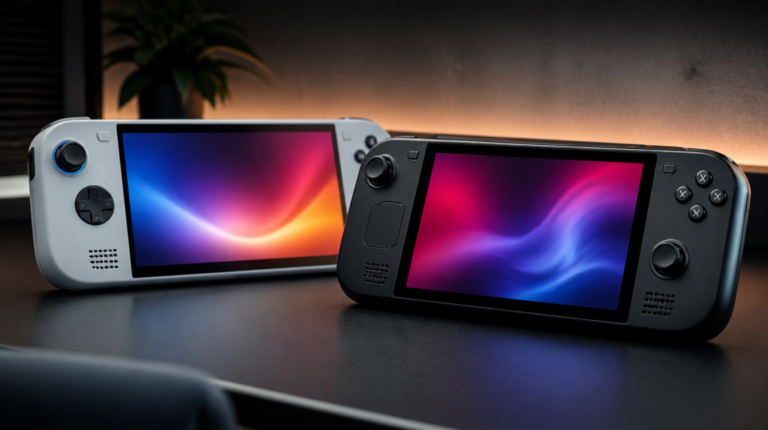
Nintendo Switch 2: microSD Express
The Switch 2 uses microSD Express, which is a different standard from the microSD cards used by the original Switch.
This is the single most common expansion mistake right now. microSD Express uses PCIe and NVMe interfaces in the microSD form factor, and a standard UHS-I card — however new or expensive — is not a substitute. The card will physically fit slots it cannot serve properly.
We cover the standards difference in more detail in our handheld storage guide.
The pattern
| Platform | What it takes | Main trap | |
|---|---|---|---|
| PS5 | PCIe Gen4 NVMe M.2, 5,500 MB/s+, ≤11.25mm total height | SATA drives fit but do not work; oversized heatsinks do not fit | |
| Xbox Series X | S | Licensed expansion card only | Assuming any fast storage will work |
| Switch 2 | microSD Express | Assuming existing microSD cards carry over |
External drives: useful, limited
On every platform, an external USB drive is cheap and useful for storing games you are not currently playing, and for playing older-generation titles where supported.
What it generally cannot do is run current-generation titles that depend on the console’s internal storage throughput. Moving a game back to internal storage is still faster than downloading it again, which is the real value.
Buying in Australia
Two specific risks worth naming:
Counterfeits. Memory cards in particular are a long-running counterfeit problem on marketplaces. Fakes report the advertised capacity and fail once real capacity is exceeded, often taking saves with them. Buy from authorised retail.
Price variance. Storage pricing varies between Australian retailers more than most accessories, and it discounts meaningfully in the EOFY and November windows.
Consumer guarantees under the Australian Consumer Law apply to storage as to anything else, with the claim against the retailer — which is another reason a marketplace seller with no accountability is a poor choice for a component that holds your data.
What we have not measured
We have not tested any drive or card. Real sustained write speed, thermal behaviour under load and actual in-console load times require the hardware and a published protocol.
The requirements above are platform-holder specifications as documented by vendors, not our measurements. Which specific drive is best remains a question we cannot answer yet.