Last verified 2026-09-13 by ReviewGamers Editorial
A cheaper console that makes every game more expensive is not automatically a saving.
The saving is on the console, and the cost is on everything after
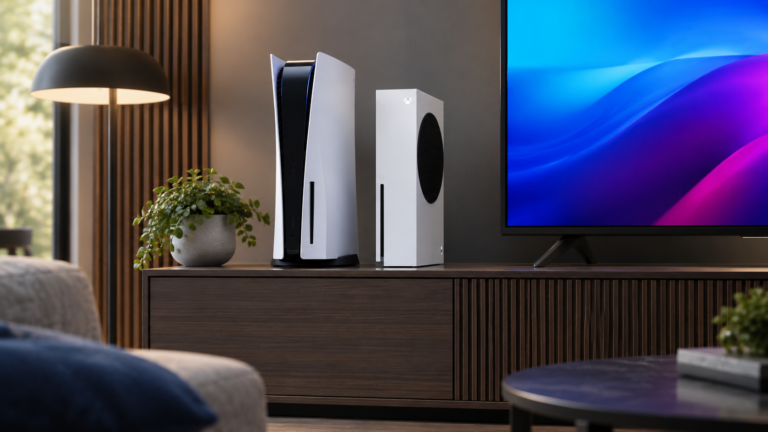
A digital-only console costs less at purchase. That is the entire argument in its favour, and it is a real one.
The counter-argument is that every game you subsequently buy is locked to storefront pricing, and in Australia storefront pricing is frequently well above what the same title costs physically at retail.
Work out your break-even before you decide
This is arithmetic, not preference. Take the console price difference, then take the typical gap between physical and digital pricing on the titles you actually buy.
Divide one by the other and you have the number of games at which the disc console becomes cheaper. For most buyers who purchase more than a handful of titles a year, that number arrives quickly.
What a disc gives you that a licence does not
Resale. A finished game has residual value. A digital licence has none.
Lending. A disc can be handed to someone. A licence generally cannot.
Independence from storefront availability. A delisted title remains playable from disc. This is not hypothetical — titles are removed from storefronts for licensing reasons regularly.
What a licence gives you that a disc does not
Nothing to lose or scratch, and nothing to store.
No disc swapping, which matters more than it sounds if you rotate between several games.
Storefront sales, which are frequent and can be deep. The digital route is not always more expensive — it is more expensive on average, at launch, in this market.
The add-on drive changes the maths
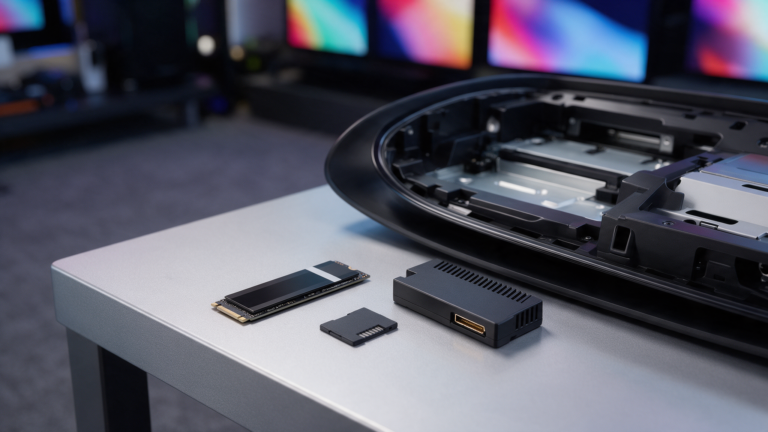
Where the optical drive is available as a separate accessory, the digital console is not a permanent decision. You can start digital and add the drive later.
Check the current price of that accessory before treating it as a safety net, because it is not a small amount, and buying the drive later usually costs more than buying the disc console first.
Who should genuinely buy digital
Buyers who purchase very few games, who are primarily playing a subscription catalogue, or who are buying for someone who will play one or two titles for a long time.
In those cases the up-front saving is real and the downside never arrives. For everyone buying a library, the disc console usually wins on total cost.
What would change this article
A tracked Australian price index comparing storefront and retail physical pricing on the same titles over time.
We describe the pattern here because it is well established in this market, but we are not quoting figures we have not systematically sampled.