
Last verified 2026-09-13 by ReviewGamers Editorial
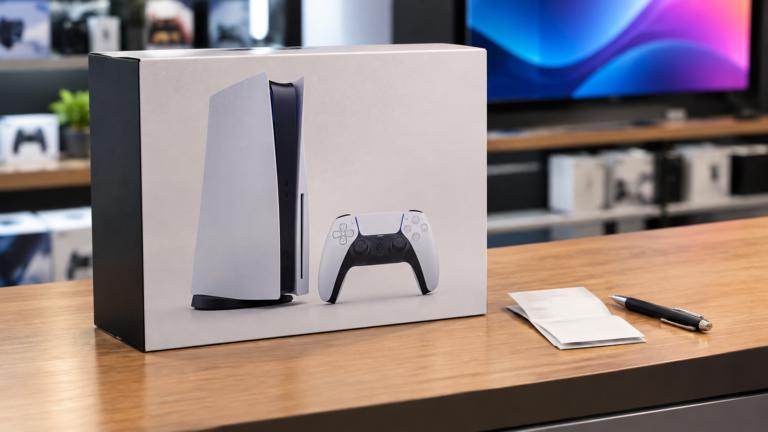
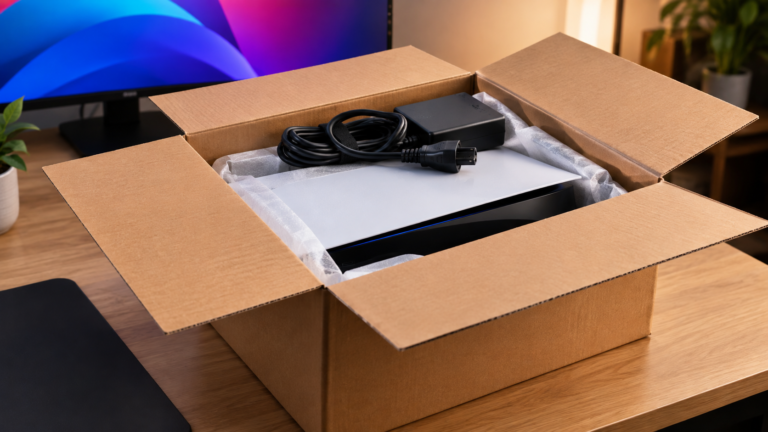
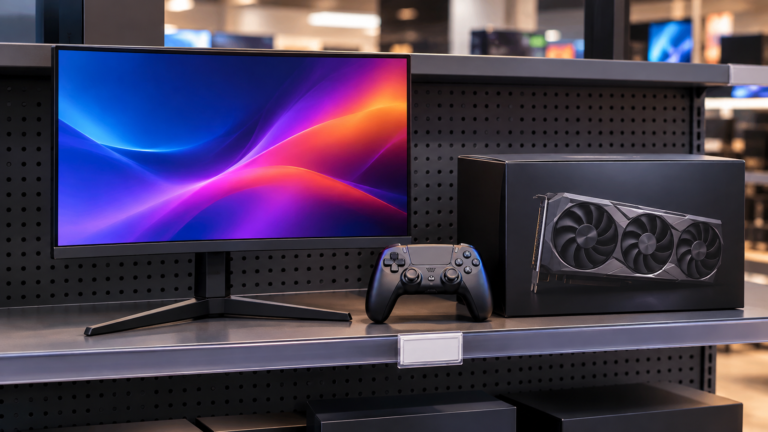
A bundle is a discount only if you wanted everything in it. Otherwise it is a full-price purchase with objects attached, and the objects are usually there because they did not sell on their own.
There is a simple test.
The test
Price only the items you would have bought anyway, at their current individual prices. Compare that to the bundle price.
If the bundle is cheaper, it is a deal. If it is not, the extras are costing you money regardless of how they are described.
The critical detail is current individual prices, not RRP. Bundles routinely credit an accessory at its RRP while the same accessory sits 40% off two aisles over. The bundle looks like a saving against a price nobody is paying.
Why bundles exist
Two legitimate reasons and one less so.
Genuine promotion. A platform holder or manufacturer subsidises a bundle to drive hardware adoption. These can be real value, particularly around console launches and major releases.
Convenience packaging. Everything you need in one purchase, priced fairly. Reasonable.
Inventory clearing. An accessory or title that is not selling gets attached to something that is. The bundle price barely moves; the unwanted item is the “saving”. This is common and it is the case the test above catches.
Where bundles are usually genuine
- Console plus a current, in-demand game, where the game is credited near its real price.
- Launch bundles subsidised by the platform holder.
- Complementary items you genuinely need together — a handheld with storage, a monitor with a required cable.
Where they usually are not
- Anything including an accessory you would never choose. A branded headset you will not use is worth zero to you, not RRP.
- Bundles of a current item plus an older title already heavily discounted or included in a subscription you hold.
- “Value packs” of peripherals where the individual items are entry-tier and separately cheap.
- Bundles that appear only during a sale period while the standalone item is discounted more elsewhere.
The Australian timing wrinkle
Bundles are especially visible in Australian retail around EOFY in late June and the November discount period — which are also the windows when standalone discounting is deepest.
That means the comparison matters most exactly when bundles are most tempting. During those periods, the standalone price of the item you actually want may be lower than its credited value inside the bundle, which inverts the entire proposition.
Two practical habits
Price the bundle backwards. Take the bundle price, subtract the current real price of the item you want, and ask whether you would pay the remainder for the extras. Usually you would not.
Watch the components separately. If you are tracking the console and the game independently, you will see immediately whether the bundle is ahead. This is the boring approach and it works.
Your rights are unchanged
Consumer guarantees under the Australian Consumer Law apply to every item in a bundle individually. If the bundled accessory fails, it is still covered — being part of a promotion does not reduce its guarantees, and your claim is against the retailer.
Equally, a bundle presented as a saving against a price that is not genuinely available raises questions about misleading representations. If a bundle credits an item at a price the retailer is simultaneously not charging, that is worth noticing.
General information, not legal advice.
What we cannot tell you yet
Whether a specific bundle is good requires price history on each component — what the parts actually sell for, and how often. We are building that history and it is not deep enough yet.
Until it is, use the test. It requires no data beyond today’s prices and it catches most bad bundles.