Last verified 2026-09-13 by ReviewGamers Editorial
An imported price looks like the same product for less. Several things about it are not the same.
What a grey import actually is
A genuine product, made by the manufacturer, brought into the country outside the official distribution channel. It is not counterfeit and it is not illegal to buy.
The differences are in what surrounds the product: power, warranty, support and your remedies if something goes wrong.
Power is the first thing to check
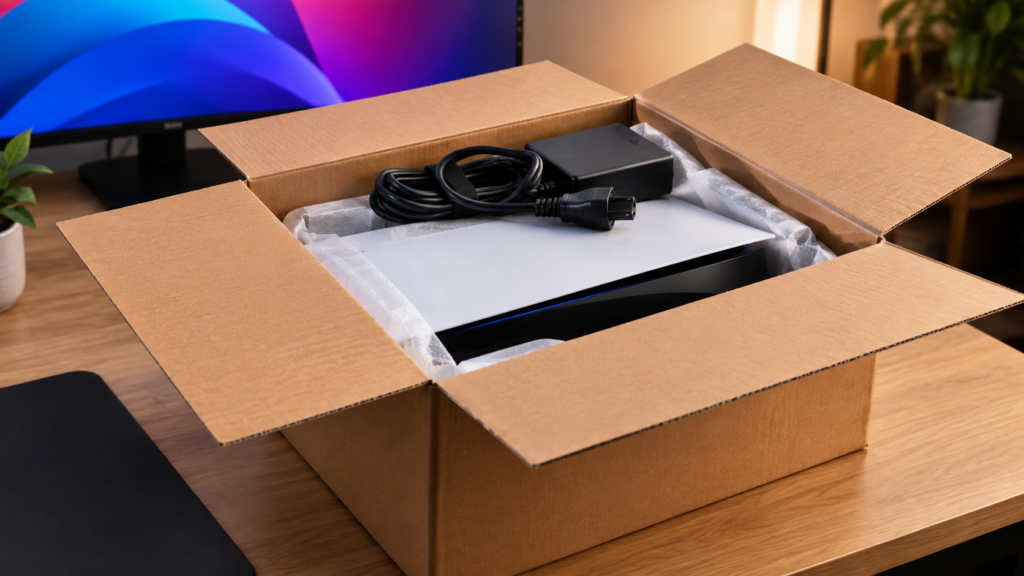
Australia runs nominally 230V at 50Hz with Type I plugs. Many modern power supplies accept universal input and only need a different cable or adaptor.
Not everything does. Devices with region-specific power bricks, and mains-powered accessories, are where this becomes a real problem. Check the input rating printed on the device or supply before buying — it is usually stated explicitly.
The warranty difference is the expensive one
Manufacturer warranties are frequently region-specific. A unit sold for another market may not be serviceable locally, which can mean shipping it overseas at your cost, or no service at all.
More significantly: consumer guarantees under Australian Consumer Law apply to goods supplied by businesses in Australia. Buy directly from an overseas seller and you are generally outside that framework — losing precisely the protection that is most valuable when an expensive item fails.
An Australian-based importer is a different proposition
This distinction matters and is frequently blurred. A business in Australia selling imported stock is still an Australian business supplying goods to you, and consumer guarantees generally apply to that sale.
Buying from an offshore seller who ships to you is a different transaction with a different risk profile. Work out which one you are actually doing before comparing prices.
Add the costs that are not on the listing
Shipping, currency conversion fees, any applicable duties or taxes, and the cost of returning a faulty item internationally.
That last one is frequently the deal-breaker. A discount that disappears the moment you need to send something back is not really a discount — it is a bet on nothing going wrong.
When it makes sense and when it does not
It can make sense for items with genuinely large price gaps, low failure rates, universal power input and no realistic service requirement.
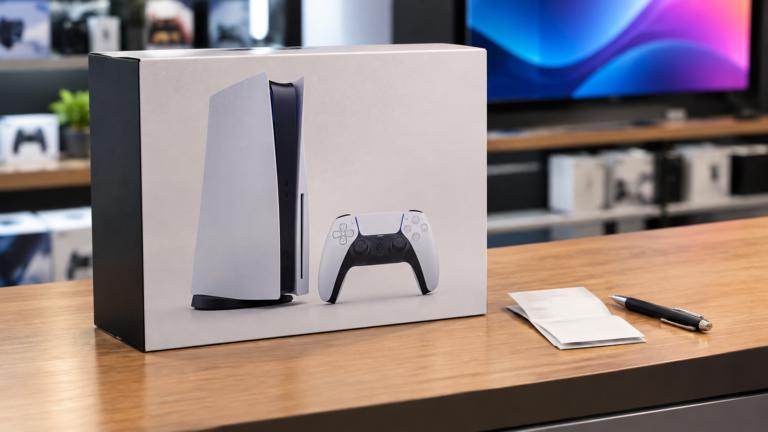
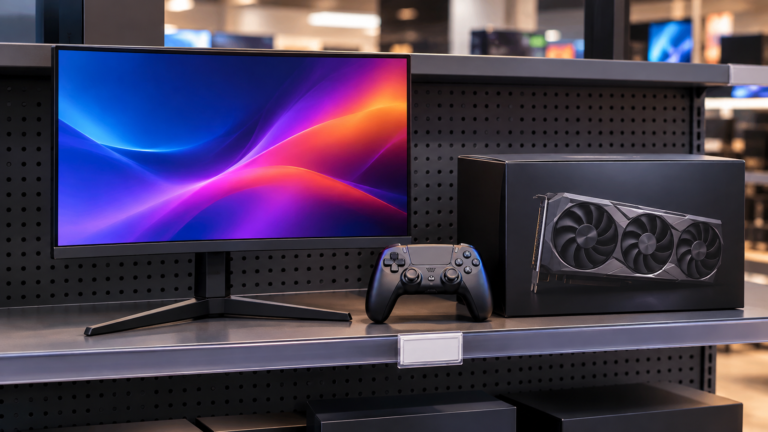
It makes least sense for expensive items you expect to own for years, anything with a meaningful failure rate, and anything where you would want a straightforward local remedy. On a console or a graphics card, the local guarantee is usually worth the difference.
What would change this article
A maintained landed-cost comparison across categories, sampling real total costs rather than listing prices.
That is a pricing research programme we intend to run. The rights and power information above comes from published sources.