Last verified 2026-09-13 by ReviewGamers Editorial
“Refurbished” is a process, not a condition, and the word is used for outcomes ranging from a returned item that was never opened to a failed unit repaired by someone with unclear competence.
The question is always the same: who did the work, and who stands behind it?
The four things sold as “refurbished”
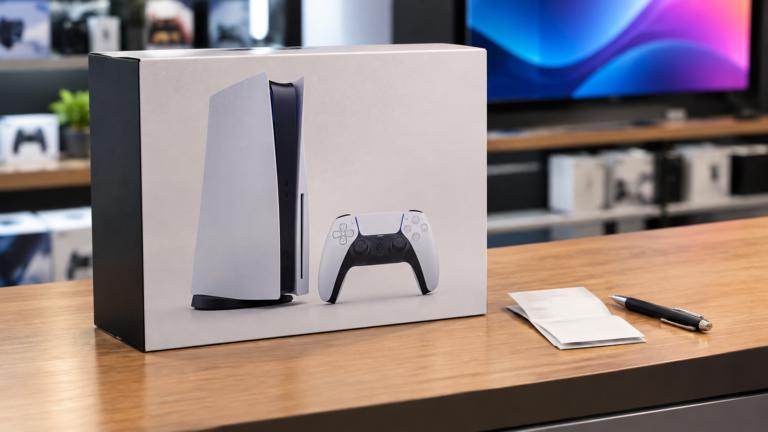
Open-box. Returned, often unused, repackaged. Usually the best value in the category and the lowest risk.
Manufacturer-refurbished. Returned to the maker, repaired and tested to their standard, usually with a warranty. The most trustworthy tier and the most expensive.
Retailer- or third-party-refurbished. Someone other than the manufacturer did the work. Quality varies enormously, and so does the warranty.
“Refurbished” as a euphemism. Used, cleaned, resold. No meaningful process. Common on marketplaces.
The discount often looks similar across all four, which is exactly why the label alone tells you nothing.
What actually matters in Australia
This is the part that changes the calculation locally, and it is frequently missed.
Consumer guarantees apply to refurbished goods bought from a business. Under the Australian Consumer Law, goods must be of acceptable quality, fit for purpose and match their description — with “acceptable quality” judged against the price paid, the age, and how the item was described. A refurbished console sold as working must work.
Consumer guarantees do not apply to private sales. Buying from an individual on a classifieds site gives you essentially no statutory protection.
That is a genuinely large difference and it is usually worth more than the price gap. A refurbished unit from a business with guarantees attached is a meaningfully different product from an identical unit sold privately.
The checklist
Before buying refurbished or open-box:
- Who refurbished it? Manufacturer, retailer, or unstated. Unstated is a warning.
- What warranty is offered, and by whom? A warranty from an entity that may not exist next year is worth little.
- Is it a business or a private seller? This decides whether consumer guarantees apply.
- What is the actual saving against the real current new price, not RRP? Refurbished pricing is frequently anchored to RRP while new stock sits well below it.
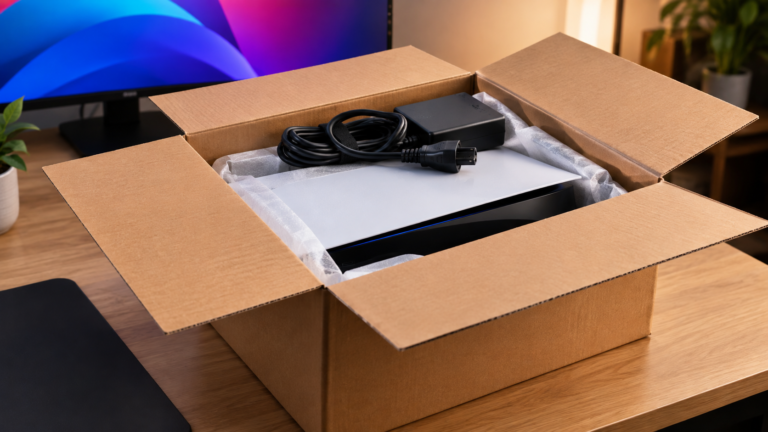
- What is included? Cables, controllers and power supplies are commonly missing, and replacing them erodes the saving.
- What is the return window? You want time to test properly, not 24 hours.
- For anything with a battery, assume degraded capacity. Batteries age whether used or not.
Where refurbished is genuinely good value
- Consoles, which are simple, robust and well-supported.
- Monitors, where an open-box unit is often effectively new — but check for dead pixels immediately.
- Controllers and peripherals, provided the price gap is real.
- Last-generation hardware being cleared, which is often the best value in the entire market.
Where it usually is not
- Anything with a consumable battery you cannot replace, including handhelds.
- Storage, where wear is invisible and the saving is small.
- Items where the saving is under about 15%. Not enough to compensate for reduced certainty.
- Private sales of expensive items. No guarantees, no recourse.
Testing it when it arrives
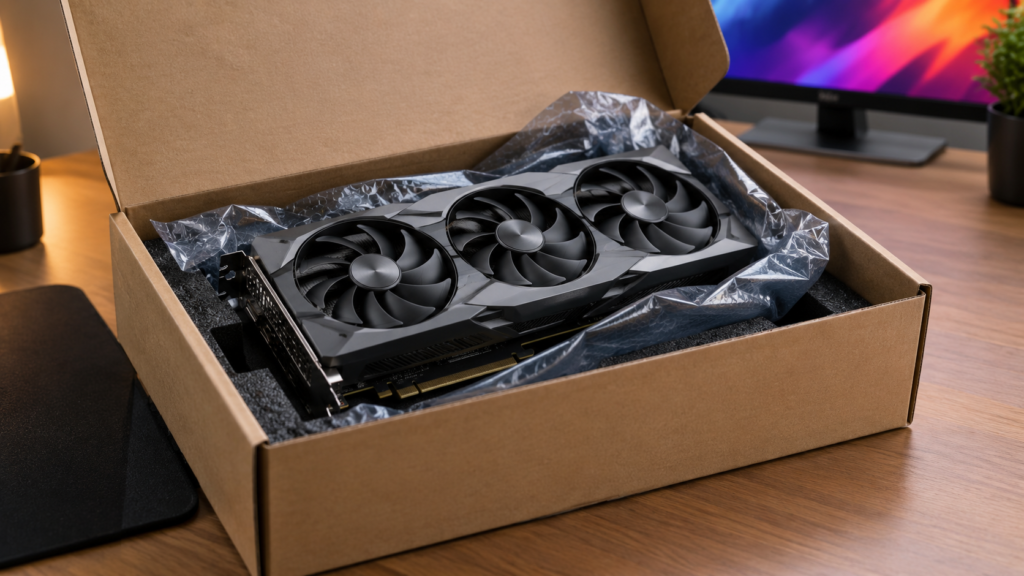
Do this immediately, inside the return window: run it hard for an hour, check every port, check every button and stick, look for dead pixels on a display, listen for fan noise, and confirm it holds charge if it has a battery.
The most common mistake is putting it aside for two weeks and discovering a fault after the window closes.
What we have not done
We have not bought, tested or graded refurbished units. Failure rates by category and by seller type would be a genuinely useful dataset and we do not have it.
This page explains what governs the risk and what your rights are. It does not tell you that a particular seller or grade is reliable, because we have not measured that.